The Environmental Impact of Ozone Generators What You Need to Know
The Environmental Impact of Ozone Generators: What You Need to Know
Introduction
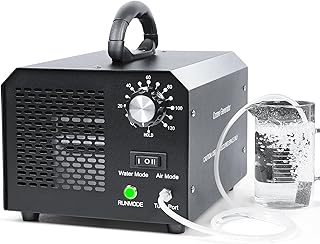
Ozone generators have gained popularity for their ability to eliminate odors, mold, and bacteria in indoor spaces. However, there is growing concern about the environmental impact of these devices. In this article, we will explore the potential environmental consequences of ozone generators and what you need to know before using them.
1. Ozone Depletion
Ozone generators work by producing ozone, a molecule composed of three oxygen atoms. While ozone is effective at neutralizing pollutants in the air, it can also contribute to ozone depletion in the Earth's atmosphere. Ozone depletion allows more harmful ultraviolet (UV) radiation to reach the Earth's surface, leading to increased health risks for humans and damage to ecosystems.
2. Air Quality Concerns
While ozone can effectively break down pollutants in the air, it can also react with other chemicals to form harmful byproducts such as formaldehyde and ultrafine particles. These byproducts can worsen air quality and pose health risks to individuals, especially those with respiratory conditions. Additionally, ozone generators can produce nitrogen oxides, which are known to contribute to smog formation.
People Also Look For:
- Ozone Generator 60000mg/h with 120 Minute Timer, Industrial Ozone Machine Air Purifier for Large Rooms up to 320 m², Portable A...
- Redagod Ozone Generators 48000 mg/h Ozone Machine Commercial Odor Removal Eliminator Industrial Ozone Air Purifier with 120 Min Ti...
- Digital Car Air Quality Monitor PM2.5 Air Quality Detector Tester Meter AQI Home Gas Monitor Tester Meter
- Ozone Generator, 60000 mg/h High Capacity Ozone Machine, Air Purifier with Temperature Humidity Display for 320㎡ Room, Odor E...
- Portable Carpet Cleaner Machines | Lifts Spills, Stains and Pet Messes | Lightweight & Handheld | 1.1 Litre | Cleans Carpets, Upho...
3. Impact on Plants and Animals
Ozone exposure can have negative effects on plants and animals. High levels of ozone can damage plant tissues, inhibit photosynthesis, and reduce crop yields. Furthermore, ozone can harm aquatic ecosystems by disrupting the balance of oxygen in water bodies. Animals may also experience respiratory issues and other health problems due to ozone exposure.
4. Regulatory Guidelines
Due to the potential environmental impact of ozone generators, regulatory agencies have established guidelines to limit their use. In the UK, the Health and Safety Executive (HSE) provides guidance on the safe use of ozone generators in indoor environments. It is important to follow these guidelines to minimize the environmental impact of ozone generators and protect human health.
5. Sustainable Alternatives
While ozone generators can be effective for certain applications, there are sustainable alternatives that are less harmful to the environment. For example, using natural ventilation, air purifiers with HEPA filters, and environmentally friendly cleaning products can help improve indoor air quality without the negative environmental consequences of ozone generators. It is important to consider these alternatives before resorting to ozone generators.
Overall, it is important to be aware of the environmental impact of ozone generators and take steps to minimize their negative effects. By following regulatory guidelines, considering sustainable alternatives, and using ozone generators responsibly, we can reduce the environmental footprint of these devices and protect the planet for future generations.